Home › Dry screed › NORIT-TE 20
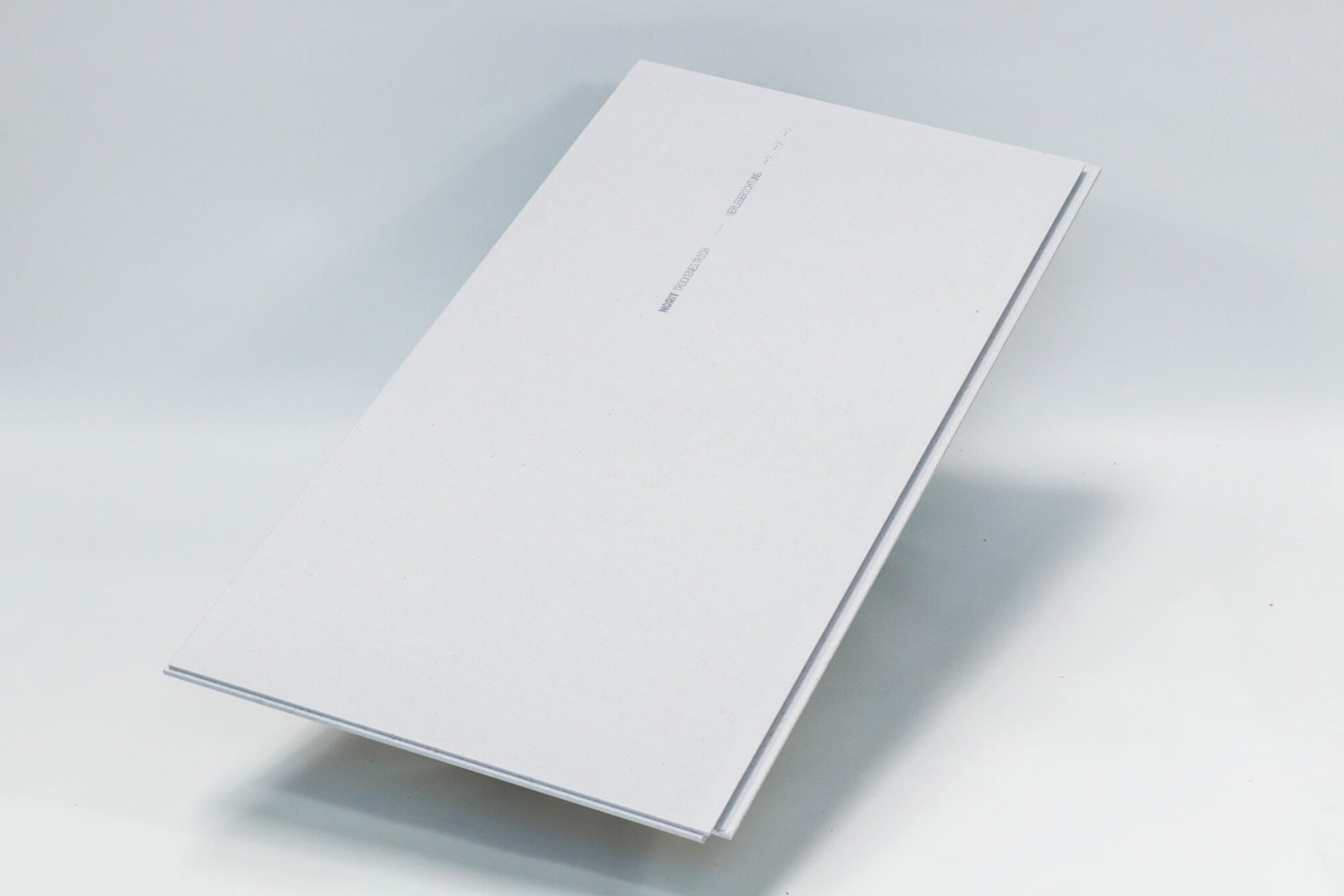
NORIT-TE 20 gypsum fibre screed board
Edge profiles of two NORIT-TE boards with a groove for the adhesiveClose-up of the click joint between two NORIT-TE boardsCorridor in a renovated office building with a NORIT dry floor
NORITDry screed · Lindner

NORIT-TE 20 gypsum fibre dry floor

A 20 mm gypsum fibre screed board, made by Lindner in Germany. You glue the boards in the groove and click them together, without screws or staples. Together they form a dry, load-distributing screed for all common floor finishes.

  • 1200 × 600 × 20 mm
  • 0.72 m² per board
  • Fire class A1
  • Wet rooms up to W1-I

Item number 301001 · delivery through the JUPITER Shop, also on a business account

What is NORIT-TE 20 suitable for?

  • Renovation and new construction of homes, offices, schools and day-care centres.
  • As a screed under all common floor finishes.
  • Wet rooms up to water exposure class W1-I according to DIN 18534, such as a bathroom floor in a home, with suitable waterproofing.
  • With underfloor heating: as a screed on a NORIT-TE Therm GF element or on a dry-build underfloor heating system such as JUPITER IDEAL. See both routes.
Not suitable for

Floors with a floor drain or channel, such as a walk-in shower (class W2-I and higher). For heavy or concentrated loads: ask for advice first.

Technical data

Format1200 × 600 mm
Thickness20 mm
Coverage per board0.72 m²
Weightapprox. 18.7 kg per board (approx. 26 kg/m²)
Densityapprox. 1,250 kg/m³
MaterialGypsum fibre: gypsum with cellulose fibres
JointClick joint, glued with NORIT-TE adhesive (solvent-free PU adhesive)
Fire classA1, non-combustible (EN 13501-1)
Product standardEN 14190
Wet roomsWater exposure class W0-I and W1-I
Packaging60 boards per pallet (approx. 1,140 kg, 43.2 m²)
JUPITER item number301001

Source: Lindner product data sheet NORIT-TE 20/25 (DB_N_TE_20_25/D/2.1). Sound insulation and fire resistance depend on the complete floor build-up and are therefore not listed in this table; ask for advice on your build-up.

Material and environment

90–96 % gypsum
and 4–10 % cellulose fibres; both recycled from production processes (pre-consumer)
5.05 kg CO₂-eq/m²
production stage (A1–A3), average NORIT screed board according to the IBU EPD, valid until 27 October 2030
IBR emission standard
Institut für Baubiologie Rosenheim

Requirements

Subfloor

Dry, clean, free of grease and without defects. Fill height differences with a dry fill of expanded clay or a bonded fill.

Acclimatisation

Let the boards adjust to the site temperature for 2 days before laying them.

Edge insulation

Along all walls and adjoining building elements. PE foam, stone wool or an alternative, depending on the requirements.

Wet rooms

Only up to class W1-I and with suitable waterproofing.

Sound, fire and loads

These requirements apply to the whole build-up. Ask for advice if your project has specific requirements.

Combining with underfloor heating

NORIT-TE 20 lies on the underfloor heating as the screed. Underneath, you choose a NORIT-TE Therm GF element or a dry-build underfloor heating system such as JUPITER IDEAL. We are happy to discuss which route suits your project.

Route 2 · NORIT on JUPITER

NORIT-TE 20 on dry-build underfloor heating

The heating layer is a dry-build underfloor heating system, such as JUPITER IDEAL. NORIT-TE 20 goes on top as the load-distributing screed.

Ask for advice on this build-up →

It is also possible without an extra screed: a NORIT-TE Therm GF element is then screed and underfloor heating in one. Build-up height, heat output and control depend on the complete system. Ask for advice for your project.

Installation

Tools: hand-held circular saw with guide rail, jigsaw for curves and cut-outs, NORIT-TE adhesive, tapping block, hammer and pull bar.

  1. 1Fit edge insulation along all walls: PE foam, stone wool or an alternative, depending on the requirements.
  2. 2Apply NORIT-TE adhesive in the groove. At 20 °C the adhesive remains workable for about 30 minutes.
  3. 3Click in the next board and close the long joints. Tap the short ends together with the tapping block and hammer.
  4. 4Fit the edge boards with the pull bar.
  5. 5Apply the floor finish according to the installation guidelines and in line with the wishes and requirements of the floor finish supplier.
How many boards do you need?

Including approx. 10 % cutting waste: area × 1.1 ÷ 0.72.

Area in m²
62boards NORIT-TE 20

Approx. 2 pallets (60 boards per pallet)

  • Edge insulationapprox. 40 m
  • NORIT-TE adhesive, 1 kg bottleapprox. 1 bottle

Averages: approx. 1 m of edge insulation per m² and 1 bottle of adhesive per approx. 40 m². The actual quantity depends on the shape of the room.

Order in the JUPITER Shop

What do you save without screws or staples?

You glue NORIT-TE boards and click or push them together. A common screwed gypsum fibre screed system adds approx. 15 screws or approx. 19 staples per m². Work out for yourself what that saves in your project.

Less work, only gypsum fibre in the floor

No screws or staples. You do not need to buy, count or drive them.

Less finishing work. According to Lindner, there is less filling and rework before the floor finish goes on.

No metal in the floor. If the floor is sawn or milled later, the tools do not hit any screws or staples. The floor contains only gypsum fibre boards and cured adhesive: PU adhesive (NORIT-TE adhesive) or PVAc adhesive.

Check it with your own figures

Enter your own time per screw or staple and your hourly rate. We do not fill these in for you.

Area in m²
Time per screw or staple, in seconds
Extra finishing work per m², in minutes (optional)
Hourly rate in euros
600fewer screws

or approx. 760 staples

  • Labour time–
  • Labour costs–

Enter your time per screw or staple and your hourly rate.

Indication based on your own input. Quantities according to the installation guidelines of a common screwed gypsum fibre screed system: approx. 15 screws (spacing max. 20 cm) or approx. 19 staples (max. 15 cm) per m². Material costs for screws and staples are not included.

Downloads

Frequently asked questions

Can I use NORIT-TE 20 in a bathroom?

Yes, up to water exposure class W1-I according to DIN 18534, such as a bathroom floor in a home, with suitable waterproofing. Not under a walk-in shower with a floor drain; that falls into class W2-I.

Do I need to screw the boards?

No. You glue the boards in the groove and click them together. Screws or staples are not needed.

How many boards do I need?

One board covers 0.72 m². With approx. 10 % cutting waste, calculate: area × 1.1 ÷ 0.72. For 40 m² that is 62 boards. In addition, allow on average approx. 1 m of edge insulation per m² and one 1 kg bottle of NORIT-TE adhesive per approx. 40 m².

Is NORIT-TE 20 combustible?

No. The board has fire class A1 according to EN 13501-1: non-combustible.

Can I use underfloor heating?

Yes. NORIT-TE 20 then lies as the screed on a NORIT-TE Therm GF element, for example NORIT-TE 25 Therm GF, or on a dry-build underfloor heating system such as JUPITER IDEAL. A Therm GF element can also be used without an extra screed; it is then screed and underfloor heating in one. Ask us for advice on the build-up that suits your project.

Which NORIT-TE Therm GF elements are available?

Three: NORIT-TE 20 Therm GF (pipe 12 mm, push-fit joint), NORIT-TE 25 Therm GF (pipe 16 mm, push-fit joint) and NORIT-TE 30 Therm GF (pipe 12 mm, click joint).

Are there thinner or thicker boards?

Yes. NORIT-TE 15 is 15 mm thick and has a push-fit joint. NORIT-TE 25 is 25 mm thick and has a click joint. The right thickness depends on your build-up; feel free to ask for advice.
Not sure about the build-up?

About the subfloor, wet rooms or underfloor heating: JUPITER Benelux is happy to advise. Weekdays 08:00–17:00 (CET).